Cuts in SNAP Benefits Put Pressure on Food Pantries
Federal reductions will be felt locally
By Elizabeth Bailey
In the harvest season, food is all around us. From the neat rows of corn filling the fields along Route 44 to backyard gardens bursting with tomatoes and choked with zucchini, many of us can see just where our food comes from.
Others are worried that their source of food is being drastically restricted.
The domestic policy package passed early last July cut federal funding for the Supplemental Nutrition Assistance Program (SNAP) by $187 billion through 2034 (about 20 percent) according to the Congressional Budget Office (CBO). Based on those numbers, the Center for Budget and Policy Priorities (CBPP) estimates some four million people, including children, seniors, veterans and people with disabilities, will see the food assistance that buys their groceries end or be greatly reduced.
In Connecticut, 11 percent of the state population (one in nine people) were helped by SNAP. More than 53 percent of those are in families with children, 44 percent are in families with members who are older adults or are disabled and more than 36 percent are in working families, according to the CBPP.
These cuts—the largest ever made to the U.S. food assistance program in its 50 years of existence—will put pressure on food pantries to make up for meals lost. The Norfolk Food Pantry, housed within the Battell Chapel on route 272 across from the Village Green, will be one of those impacted.
Lynn Deasy, Norfolk native and director of the pantry, predicts the reduction in SNAP benefits will bring “an increased demand for food pantries around the country since SNAP is the most effective tool in fighting food insecurity.” According to Radha Muthia, a Washington, D.C.-based expert on food pantries, “For every one meal provided by a food pantry, SNAP currently provides nine meals.”
The Norfolk Food Pantry is already struggling to meet increased demand from families with young children and working families who cannot cover the cost of food, which increased by almost 24 percent between 2020 and 2023. While the increases have since dropped to low single digits, prices show no signs of retreating to pre-Covid levels.
According to figures compiled by the food pantry, in the five-week period ending Aug. 8, the pantry served a total of 329 families containing 987 individuals. During a five-week period at the beginning of 2022, that number was 38 families with 134 individuals. More worrisome still is the difference between income received by the pantry and its expenses for groceries. Spending on groceries is far outstripping donations.
In an effort to qualify for grants from foundations, the Norfolk Food Pantry now collects demographic data on those who line up weekly to select their pantry items. Each family is allowed two dairy products, one half-dozen eggs, two portions of meat, one condiment and two rolls of toilet paper as well as fresh produce and non-perishable staples. The pantry’s mission has been to “treat all beneficiaries with a nonjudgemental and caring manner, and to ensure that food is accessible to all in need.” There has been no push-back from beneficiaries in completing the new one-time, one-page registration form.
The phased defunding of SNAP benefits will begin in 2026. “These cuts will have a massive ripple effect on food pantries on the state level,” notes Deasy. “The benefits have been a critical lifeline for so many families and individuals in need. Food pantries will need more community support than ever,” she adds.
That support came comes in different ways. During harvest time, many local farmers donate produce to the pantry. For over 15 years, Margo O’Connor has planted her fields in Canaan with corn which she and Leo and Renée Groppo harvest and bring to the pantry to be given to those who would otherwise not have access to fresh produce.
The Fairfield Farm, with help from students at the Hotchkiss School, contributes part of its bounty, as does Husky Meadows Farm, while Kristin and Grant Mudge and Mike Sconyers and Molly Ackerly pack up the overflow from their own gardens to deliver to the food pantry. Bridgitte Ruthman donates her renowned duck eggs. In addition to monetary donations, many contributors fill their grocery carts with items for the pantry along with their own shopping and drop bags off on their way home from the market.
The crisis in providing nutritious food to people in need to help ensure their physical and mental health has drawn the attention of organizations throughout Northwest Connecticut. Says Lisa Ferris, executive director of the United Way of Northwest Connecticut, “We actively fight food insecurity, ensuring that no neighbor has to go hungry.”
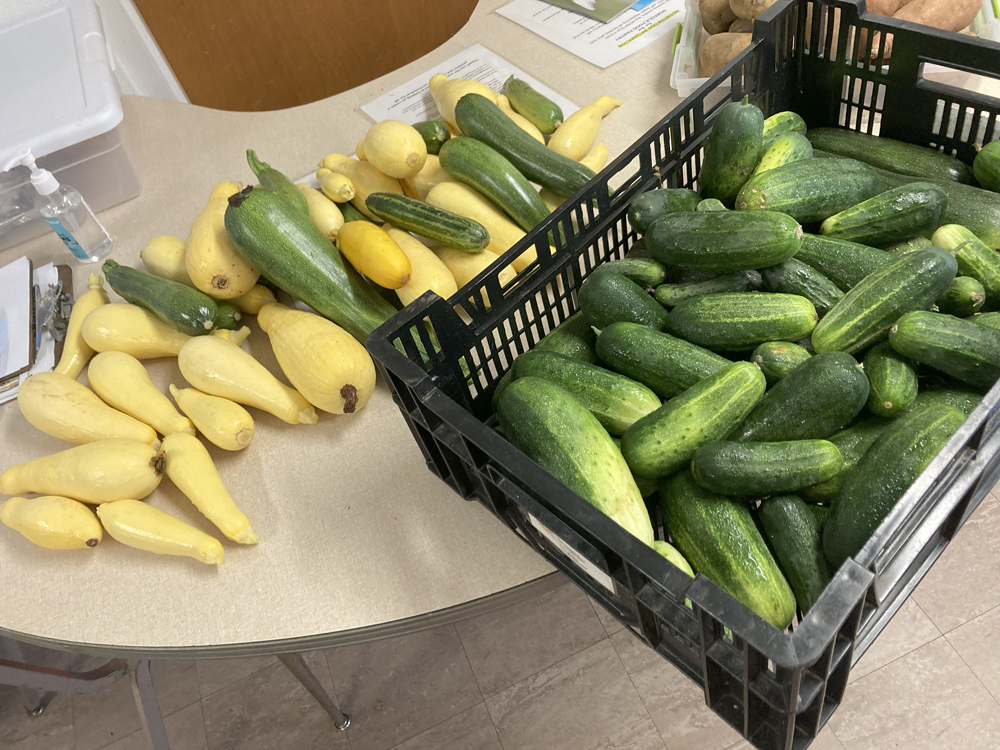
Local farmers keep the Norfolk Food Pantry stocked with fresh produce.
