Wings Over Norfolk: A Look at Small-Town Bird Life
By Jude Mead
Bird watching may seem like an old-fashioned pastime, but in recent years it has soared in popularity because it offers a peaceful way to reconnect with nature, requires minimal equipment, has zero cost of entry and is enjoyable. Whether it’s a robin hopping across a backyard or a hawk circling high above a field in search of prey, the sight of a bird in its natural habitat can be thrilling.
Bird watching is also accessible to everyone and doable anywhere, including Norfolk. That is why town resident Sue Frisch recently created a digital photo album in order to start identifying the birds of Norfolk. Though Frisch does not consider herself a bird watcher, she does love birds and decided to take on the project.
“The town of Norfolk has a paid Flickr account that allows unlimited use,” said Frisch. “Since my neighbor, Fred Knight, has been steadily photographing birds and sending me the pictures, I’ve created an album of Norfolk birds, following the organization of the bird checklist derived from the Natural Resources Inventory and offering the checklist’s information on breeding and seasons observed.” Frisch has placed a link to the album at the bottom of the Norfolk birding page on the town website.
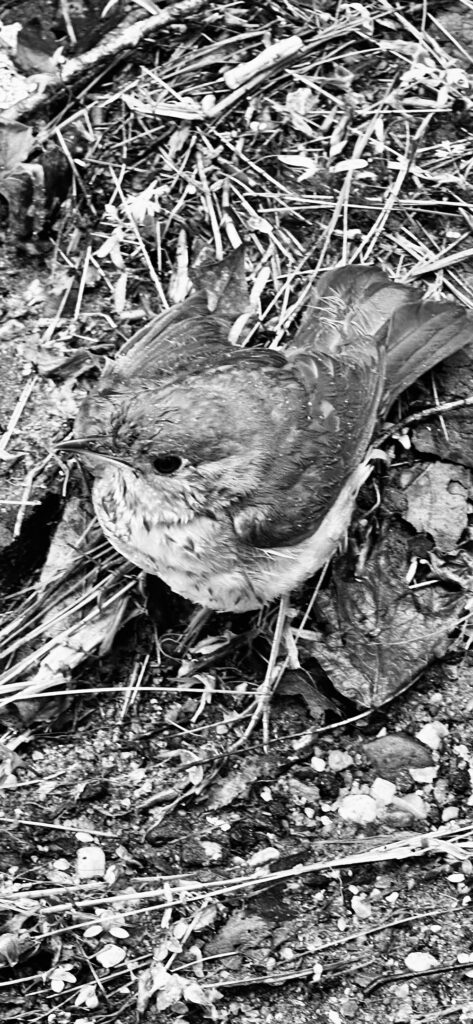
Photographing birds is not easy and requires observers to slow down and focus on their surroundings because birds are often elusive and quick-moving. “As of now, we have 87 images representing 73 of the birds posted, and we are always looking for more contributions of sightings,” she said. Frisch suggests looking at the website’s checklist before seding her photos in case images of that bird have already been posted.
To help organize and keep track of the photos, Frisch has developed guidelines for submissions. One primary criterion is that the bird be on the checklist of Norfolk birds. Birds not listed may just be visitors passing through and would need to be checked with the Conservation Commission. Frisch is still working out the plan for including those, she said: “This may be a section of ‘seen but not known to be regular visitors’ or some such category. For inclusion in that section, the photo must have been taken in Norfolk, and the photographer would have to designate that place when submitting it. However, no place information will ever be published.”
According to Frisch, the photos should ideally be taken in Norfolk and in the bird’s customary habitat. Photos should be at least 72 dpi jpg files, in color and with a file size of 500 to 1,000 KB. Frisch added that each digital file submitted should begin with the bird’s name and then include the photographer’s name and the date taken (if known). An example would be: SandhillCrane-FKnight-Apr2025-DSC_3333.jpg.
“This format assures accurate naming of the bird and makes it easy for me to credit the birder in the album,” said Frisch. Files can be sent via WeTransfer, a free online service for sending large/multiple files.
By observing bird populations, bird watchers also contribute to environmental awareness and conservation when they submit their sightings to databases like eBird. The data also helps organizations such as the Audubon Society and the Cornell Lab of Ornithology to monitor bird populations and habitat health. “If you spot something rare, only share the information with a few trusted friends and always preserve their habitat, respect their space and observe from a careful distance,” Frisch advised.
Whether a seasoned birder or a beginner, birdwatching offers endless opportunities to learn, explore and connect with nature. So grab a pair of binoculars, step outside and start enjoying the complexity of the natural world. Just remember to stop, look up, listen and post the sightings online.
Online URLs for bird watchers
Birding page on Norfolk’s town website: norfolkct.org/birding-in-norfolk-connecticut
Checklist of birds: norfolkct.org/wp-content/uploads/2024/04/Checklist-of-Norfolk-Birds.pdf
Files can be sent via wetransfer.com to webmaster@norfolkct.org
