Greening of Norfolk
Spicebush: A Four-Season Gem
By Jill Chase
As a gardener, bee keeper and amateur naturalist, I am always looking for those magical plants that check all the boxes. Spicebush (Lindera benzoin) is just such a plant. This undervalued shrub has much to offer. Spicebush starts the show early with a subtle display of bright green-yellow flower clusters, which provide a vital early pollen and nectar source for native and honey bees alike. After the flowers are done, this multi-stemmed understory shrub (it can grow up to twelve feet high) gets covered with glossy, spicy, citrusy foliage that seems to hold no interest to deer. For its third act, after its bronzy yellow fall foliage finally drops, red fruit is revealed. What a doer! And this isn’t any ordinary low value fruit that many invasive species sport. Spicebush berries are high value, carrying between 33 and 50 percent fat by weight, making them a critical late-season energy source for migrating birds. Like many fruiting shrubs, one needs to have a male and a female plant to produce berries.
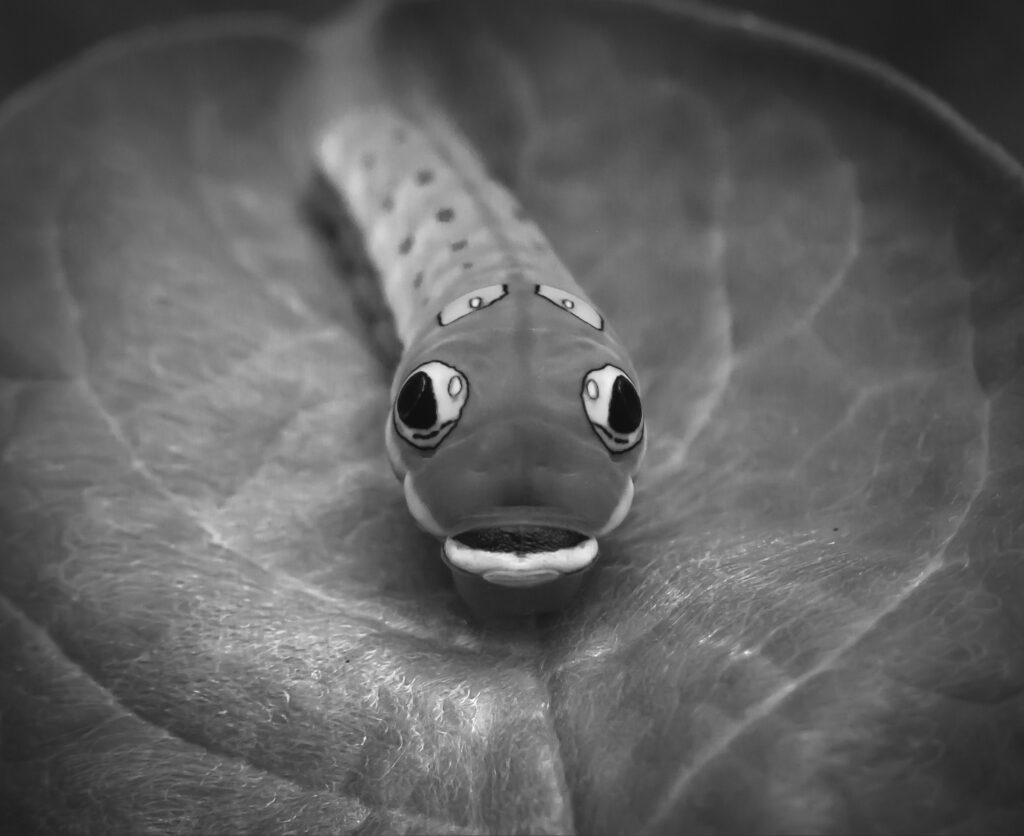
Living up to its label as a keystone species, Spicebush supports an extra-large amount of biodiversity. It functions as larval host for a variety of moths and butterflies, including the spicebush swallowtail and the promethea silkmoth. Their caterpillars, in turn, feed hungry baby birds. Spicebush is a good woodland shrub that is tolerant of sun and shade. It prefers average to moist soil. Planted near a pond, it would give birds a sheltered area they can escape to after a drink. Spicebush is often used in habitat restoration and would be a good choice for replacing some invasives, such as privet or honeysuckle. All in all, spicebush is a noteworthy native that deserves a spot in any garden or woodland.