Owner Alan Nero ends 41-year run
Winsted’s Gilson Theater Closes
By Joseph Kelly
The message posted on the marquee of the Gilson Movie House & Café in Winsted by its owner Alan Nero summed everything up in a few words: “Here’s to 41 years. Thank you & good night.”
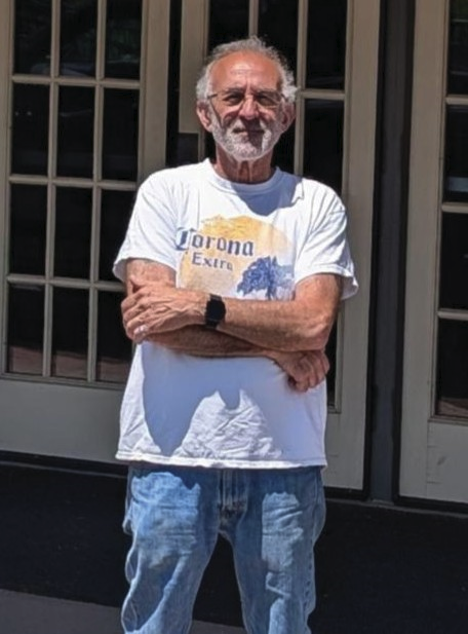
Nero operated the quirky movie house/ café for more than four decades, staring down Covid, video streaming and Winsted’s up-and-down business climate. Ultimately, retirement beckoned and last month he accepted an offer to sell his lovingly tended brainchild.
The name of the buyer was not made public, but according to Nero and Arlene Gonzalez of The Gonzalez Property Group that handled the sale, there are no current plans to continue using the property as a movie theater. The final sale price was not disclosed. The listing price was $899,000.
The Gilson’s screen went dark for the last time on Saturday night of Memorial Day weekend with the showing of The Devil Wears Prada 2.
A third-generation Winsted native—his grandparents immigrated to Winsted from Italy in the 1920s—Nero had run a lawn and garden shop and served as Winsted’s only paid fireman, when in his early 30s he got the idea of buying the Strand Theater on Winsted’s Main Street.
Opened in 1926 on a lot next door to what had been the Winsted Opera house, the Strand was originally a showcase for traveling vaudeville acts, then transitioned to movies, but by the 1970s it was struggling to compete with shopping mall multiplexes and the residual effects of the devastating 1955 flood that destroyed a large section of Winsted’s downtown.
In 1985, after the Strand had been sitting vacant for about ten years, Nero convinced the owners—who were also relatives—to sell it to him. Originally, he set about reopening it as a video arcade, but the memory of a movie house/café in Hartford sent him in a different direction. He leveled the floor, installed tables and seats, set up a kitchen and bar and launched The Gilson with a showing of the movie Amadeus. Naming the theater The Gilson was a way for Nero to pay homage to a mentor, Warren Gilson. An expert on movie projectors, Gilson had often made service calls to the Strand. In a plotline straight out of the movies, he fell in love with one of the Strand’s ticket takers and retired with her in Winsted. When Nero made the decision to reopen the theater, Gilson helped by teaching him all about using the projectors.
The Gilson’s za, printed in white lettering on a black background for easy viewing in the dark, was heavy on offerings that could be prepared and served quickly. Shepard’s pie was a perennial favorite. Originally, movie companies were reluctant to have their productions presented in locations where alcohol was served, but Nero parevailed. While the food and drink upped the revenue potential of every movie goer, Nero’s entrepreneurial instincts were best displayed by his niche programming strategy. Nero focused on popular “sub-run” movies—films that had already been released in theaters and demonstrated box office power but had not yet gone to video. Nero could get these films less expensively and then show them for as long as there was an audience for them. This strategy achieved legendary status in 2002 when for nearly nine months the only movie that appeared at the Gilson was the comedy “My Big Fat Greek Wedding.”
However, the economics of running a theater—never easy—became tougher as streaming snowballed. In 2007, Netflix added streaming alongside its well-established DVD-by-mail business. As broadband speeds improved, Amazon got into the act. The big success of “House Cards” in 2013 made it clear that streaming was here to stay.
Nero responded by finding more ways to generate revenue. He carved out a second, smaller theater upstairs, enabling The Gilson to present two films at once. He also opened Padres, a Mexican restaurant, open to the public on the ground floor.
Then came Covid. Connecticut ordered movie theaters to close in March of 2020. Nero and his son, Alan, Jr., responded with humor, using the marquee of their darkened theater to each week suggest a film whose title offered a play on the dark circumstances of the shutdown. “Home Alone”, “The Big Sick”, “The Mask”, “A Series of Unfortunate Events” and “Something’s Gotta Give” were just a few of the titles.
Ultimately, through savvy business instincts and sheer determination, Nero kept The Gilson in operation for nearly as long as the original Strand. But Covid marked a clear turning point, arguably as devastating to The Gilson as the 1955 flood had been to the original Strand. Studios began releasing major films directly to streaming—no “sub-run” status anymore—and consumers became accustomed to watching first-run movies at home. The audience for The Gilson never fully returned to its pre-Covid heyday.
Approaching his seventies, Nero put The Gilson on the market, and this year found his buyer. “Over the last 41 years I have given everything—blood, sweat and tears—to a business and building that has been filled with magic,” Nero said in his social media posting announcing the sale. “But it is a somber fact of life that nothing lasts forever, no matter how much we may wish it could.” Last week, Nero was at the theater cleaning out personal memorabilia. Stepping from the darkened interior into the warm afternoon sun, he expressed confidence that the timing was right (“I didn’t want to be doing this in my 80s.”) but trepidation over what the future holds: “I want to do something else, I just am not sure what that something is.