September, Planting a Seed
Through the Garden Gate
By Leslie Watkins
Baby boomers will represent nearly 25 percent of the American population in 2020, and that number includes a lot of grandparents. Many grand-boomers love passing on knowledge and skills to their grandchildren. One of the best memories and activities one can share with a child is the cultivation of a garden.
All that’s needed is a little patch of land or even a container, some seeds, water and sunshine. You can start now by selecting a sunny area and placing a couple of layers of cardboard over it to help smother the grass and weeds, then cover the cardboard with mulch. It will be ready to work next spring. If you already have a garden, now is the perfect time to add compost. Over winter develop a simple design and order your seeds. For just a fraction of the cost of a perennial garden you can have nearly instant gratification with annuals. Annuals are plants that will sprout, grow, flower and set seed all in one season.
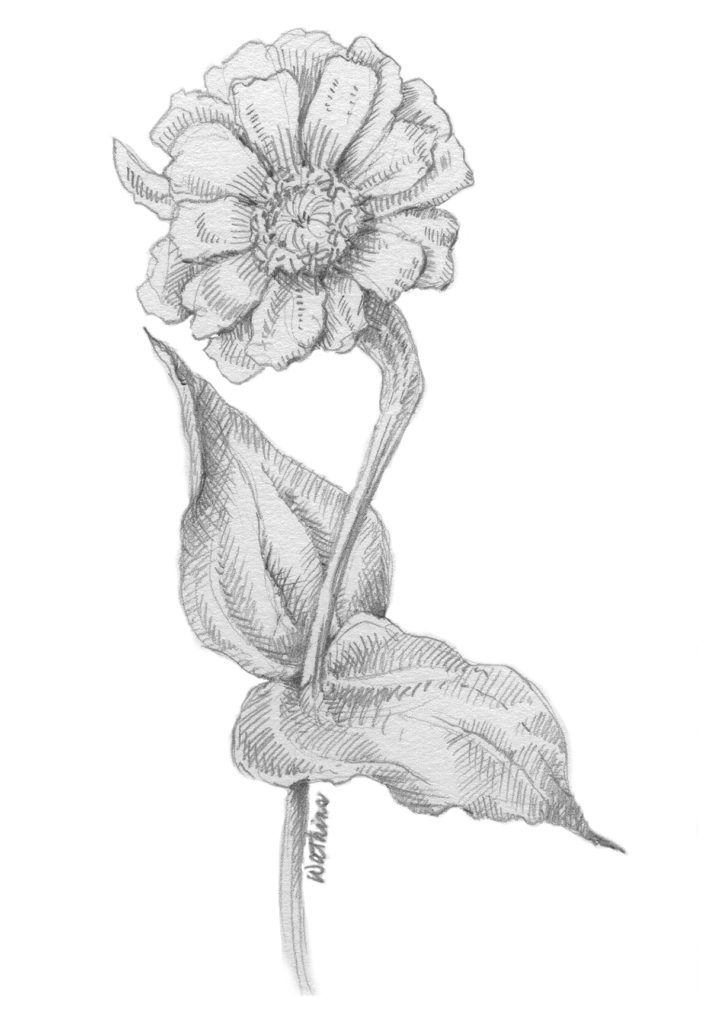
In April, when the ground has thawed, turn the soil to a depth of eight inches with the addition of compost. If you want a head start, start the seeds indoors in flats about six weeks before the last frost date, April 15, or wait until after mid-May to sow directly into the ground. Each packet should have specific instructions printed on it. Water, weed, wait and soon you’ll see the tiny miracle begin. It’s exciting! But wait, there’s more . . . in time you’ll have flowers—some you can cut and place in vases, some you can eat and some you can hang to dry or press for crafts. That represents many happy hours spent with your little loved ones.
Some annuals left to go to seed will return the following year. To ensure that they do, collect the seeds yourself. When the pods ripen and dry, but before wind, rain or birds distribute them, collect them in paper bags. When dry, transfer seeds to jars and keep in a cool dark place. You’ll have enough seeds for your garden next year and to share with friends. Some plants have really interesting seedpods, like poppies, nigella and calendula. Poppy seeds sprinkle out of their pods like little pepper shakers. Nigella pods looks like little striped, spiky balloons, and calendulas grow in a ring of curly seeds that look like tiny ram’s horns. All of these are very easy to collect and have great shelf life.
Some seeds should be sown in the fall or on top of snow, especially poppies. Some need to be soaked overnight in warm water or have their seed coats nicked, like morning glory and nasturtium, and some can be planted only when the ground is warm enough, like red runner beans and zinnias. Give direct-sown plants room to grow by thinning to the spacing indicated on the packet.
Kids can practice their handwriting skills by keeping track of the garden in a notebook by recording dates, temperatures, weather, activities and results. They can draw pictures of the plants and press specimens between the pages to dry. Visits by various birds, butterflies and pollinators attracted to the plants can be noted as well. Gardening clubs and country fairs provide opportunities to exhibit and win prizes, and roadside stands and farmer’s markets are good ways to sell flowers. That’s a lot of fun and inspiring activities from a handful of tiny seeds!
Maybe your little annual gardener will become a perennial.
Easiest Annuals A-Z
Amaranth
Bachelor’s button
Calendula
Morning glory
Nasturtium
Nigella
Poppy
Red runner bean
Sunflower
Zinnia
