IT’ S ONLY NATURAL
Protecting Norfolk’s Waters Starts in Our Own Backyards
by Jude Mead
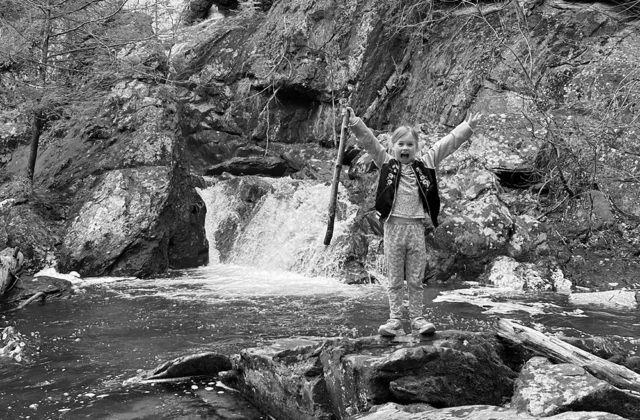
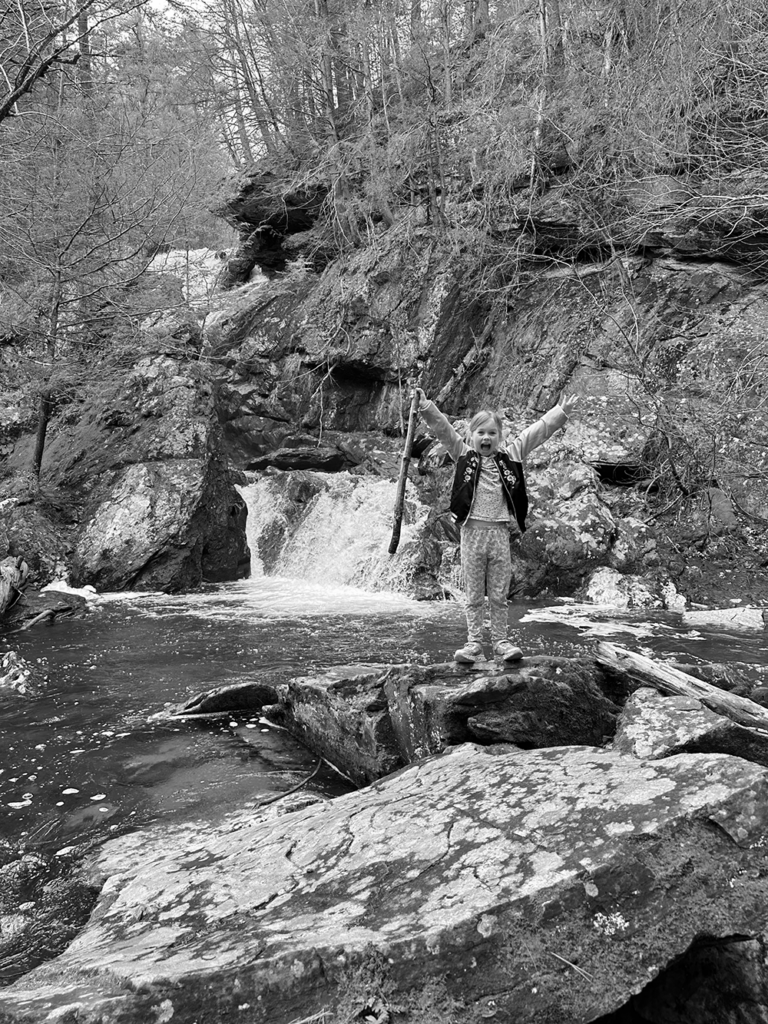
Norfolk’s quiet brooks and winding streams may appear insignificant, but scientists say these small waterways play a critical role in protecting the health of the town’s rivers, lakes, and drinking water systems. What begins as a narrow stream flowing through the woods is often part of a vast connected watershed that stretches across the area. “Everything in a watershed is connected,” said water specialist and scientist Christopher Bellucci. “Changes in a small stream can eventually affect water bodies many miles away.”
Bellucci serves as assistant director of the Water Planning and Management Division within the Bureau of Water Protection and Land Reuse at the Connecticut Department of Energy and Environmental Protection (DEEP). He says communities like Norfolk contain an unusually rich network of rivers, lakes, ponds, and streams that provide far more than scenic beauty. These waters are deeply connected and supply drinking water, support fish and wildlife and create opportunities for swimming, fishing, kayaking and boating. “Water touches nearly every part of our lives, from recreation to public health to wildlife habitat. Everything we do on the land impacts our water quality,” said Bellucci.
Whether water is flowing through a river or sitting still in a pond, Bellucci explained that all waterways are vulnerable to environmental change. Rivers and streams constantly carry sediment, nutrients, pollution, and runoff downstream into larger rivers, reservoirs, lakes and ponds. “People often think pollution disappears once it enters moving water,” Bellucci said, “But it travels downstream into lakes and ponds and affects entire ecosystems. The excess nutrients that accumulate can trigger algae blooms, reduce oxygen levelsand damage habitat for fish, amphibians, birds and aquatic plants.”
According to Bellucci, human development is a leading cause of water quality problems. “Humans impact streams, rivers, and lakes by altering the landscape and changing the landscape from natural forest to unnatural pavement,” he said. “This impacts how water flows through the environment. For example, a large parking lot will change the rainfall runoff pattern and carry pollutants to water courses.”
As forests and natural landscapes are replaced by roads, parking lots and development, the environment loses one of its most effective natural filtration systems. Instead of slowly soaking into soil and vegetation, rainwater rushes across pavement and hardened surfaces, carrying fertilizers, oil, road salt, sediment and other pollutants directly into rivers, lakes and streams. Bellucci said stormwater runoff has become one of the greatest threats to water quality. “This is the biggest contributor. Stormwater runoff does not happen in the forest where trees and soil filter the rainwater more slowly and naturally,” he said. Bellucci added that severe weather patterns are worsening the problem. “Heavy rainstorms increase the amounts of nutrients and contaminants that wash into water sources, while drought conditions reduce water levels, raise stream temperatures and place growing stress on fish and other aquatic life,” he said. The health of any water source takes regular monitoring and that is why Bellucci and other scientists study fish and aquatic organisms that live in water to measure overall water quality. One indicator of a heathy water source, Bellucci explained, is brook trout.
For Bellucci, public education and community involvement are essential to long-term conservation efforts. He believes protecting waterways begins with helping the community understand that even small daily decisions can have lasting environmental consequences. “The more people understand how connected water systems are, the more they realize that protecting water starts with everyday decisions on land,” he said.
Fortunately, Bellucci says anyone can play a direct role by participating in DEEP’s Volunteer Water Monitoring Program. “Good news is people can help make a difference by volunteering to help monitor local waterways and collect important data,” he said. The data identifies early warning signs of pollution.Bellucci says these efforts strengthen scientific research and volunteers become the eyes and ears for protecting their waterways.” For Bellucci, the message is simple: protecting waters starts with the everyday choices people make on the land around them and with communities willing to step forward to protect their most valuable natural resources.
Ways to Volunteer
- Among the statewide volunteer opportunities is the Riffle Bioassessment by Volunteers (RBV) program, which trains participants to study aquatic insects and other small organisms that serve as indicators of stream health. Because sensitive species disappear quickly when pollution levels rise, scientists use them to measure changes in water quality.
- Another statewide initiative, the Volunteer Stream Temperature Monitoring Network allows volunteers to place temperature data loggers in streams throughout the year. The information helps scientists track warming waters and evaluate potential impacts on fish and aquatic ecosystems.
- The Connecticut Lake Watch program also trains volunteers to measure water clarity using Secchi disks and report potentially harmful algae blooms. The data are shared through public databases and help environmental officials monitor long-term environmental trends across the state.
