Nips in Norfolk
Tiny bottles, big concerns
By Joe Kelly
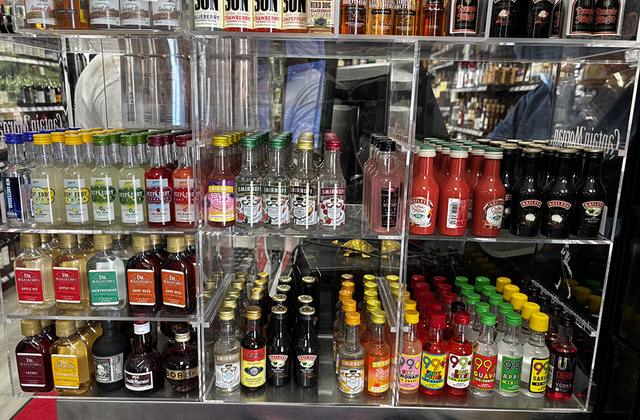
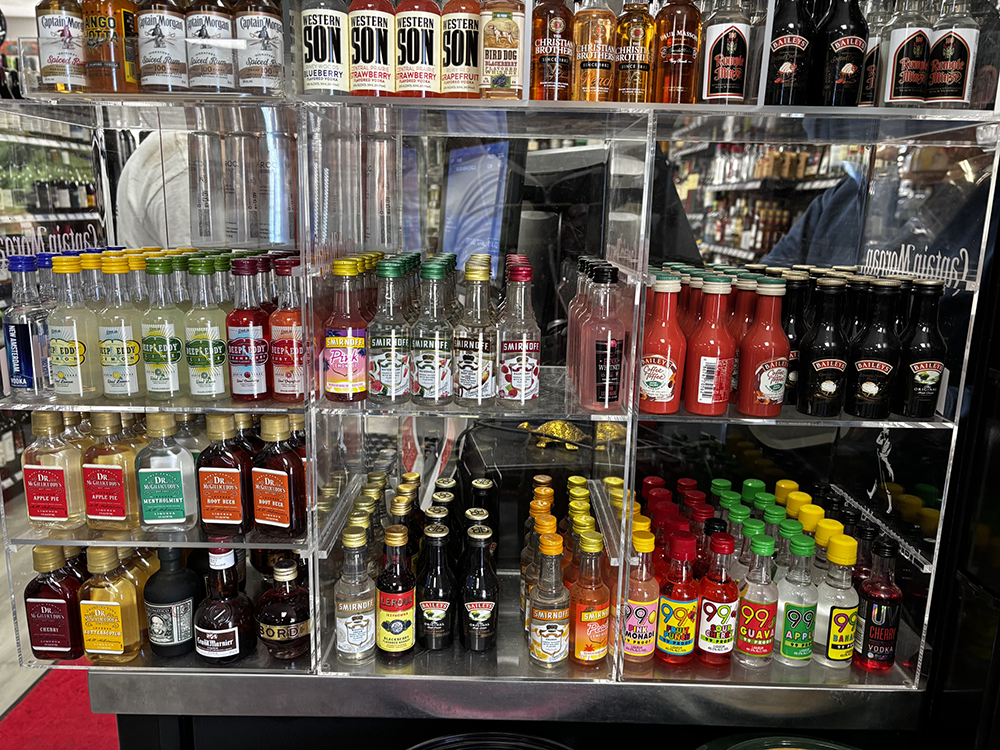
Fall has arrived in Norfolk with a nip in the air and, as always, plenty of “nips” on the streets. Strolling around town one can’t help but notice the small plastic bottles, often with enticing names—Fireball Whisky, Tennessee Honey, 99 Bananas, Pink Whitney—that once held 50 milliliters (1.7 ounces) of alcoholic drink. They’re commonly referred to as “nips,” most likely shortened from nipperkin, an old Dutch or German word for a small amount of liquor.
Shining a spotlight on nips is not to moralize about alcohol consumption. But raising questions about drinking while driving? About tossing empties out the window? There’s plenty of grist for the judgement mill there.
Nips are everywhere. Many Norfolkers make a habit of collecting and disposing of nips while out walking. At the annual spring cleanup sponsored by the Norfolk Community Association, nips make up the majority of the trash. Environmental groups have become attuned to the unique threat posed by nips. Small and light when empty, nip bottles get easily washed into storm drains, then accumulate in streams and rivers before heading into Long Island Sound and the Atlantic Ocean. In a multi-year clean-up, the Connecticut River Conservancy gathered more than 16,000 nip bottles from the banks and intersecting streams of the waterway.
Nips are a big business. Sales of nips in Connecticut average nearly 100 million bottles a year—roughly 25 per person. Compare that to the national average of about 2 nips per person, as measured by the Container Recycling Institute. Are residents of the Nutmeg State really such heavy boozers—more than 10 times the national average? Perhaps. But there’s also the fact that nips are made for drinking on the run, and Connecticut is a small state crisscrossed by some of the most heavily-trafficked highways in the country—I-84, I-91, I-95 (not to mention busy state roads like Route 44). Package stores along those routes provide plenty of opportunity for non-Connecticut residents to stock up.
In Massachusetts, towns have local licensing boards that regulate liquor sales in their communities. In 2016, when the Boston Licensing Board, responding to neighborhood input, imposed a “no nips/no singles” restriction on a store in Roxbury, the store’s owners challenged it as unfair. The state’s Alcoholic Beverages Control Commission ruled against them, and since then more than a dozen Massachusetts towns have imposed bans on nips.
Currently, it’s not possible for a Connecticut town to ban nip sales. A town can ban liquor sales entirely, but it can’t regulate what liquor can or can’t be sold. This is the job of the state Department of Consumer Protection. Changing this would require the support of the state legislature and the governor, and bills proposing such changes are routinely shot down by the Wine and Spirits Wholesalers of Connecticut, led by Executive Director Larry Cafero.
Instead, in a compromise largely orchestrated by Cafero, Connecticut in 2021 implemented the “Nickel-Per-Nip” program. Liquor wholesalers collect a five-cent fee on every nip sold, and Cafero’s organization cuts checks every April and October, distributing those nickels back to the towns where the nips were sold, ostensibly to fund clean-up efforts.
Norfolk’s sole liquor store sold some 39,000 nips in the year ending March 31, 2026. That’s a little over 100 nips per day, roughly 21 per capita. For that, the town received about $2,000. Even for a small town like Norfolk, that’s pretty close to chump change—and not enough to fund a program focused primarily on nips. According to First Selectman Henry Tirrell, the money is allocated to the transfer station budget.
However, in other places, those nickels add up. Cities such as New Haven, Hartford, Bridgeport and Waterbury collectively net hundreds of thousands of dollars a year thanks to Nickel-Per-Nip. The funds are used to hire staff and buy more equipment, such as special filters to keep nip bottles out of storm drains.
Instead of the nickel fee, some would like to see nips folded into Connecticut’s bottle bill redemption system. That would make nip bottles eligible for the 10-cent refundable deposit that is now in effect for beer, hard cider, soft drinks, juices and other beverages.
Another option would be to take a wait-and-see approach, hoping that the vagaries of the marketplace might consign the likes of Fireball Whisky and Tennessee Honey to the same fate as Billy Beer, Bud Dry, Zima malt and other once-popular offerings that are now safely ensconced in the dumpster of liquor history.
Don’t count on it. Consider how Fireball is adapting. Ever since sales to its original base of college students began to slack off, Fireball has been on a hunt for new markets. The result was a 2025 campaign targeting—seriously—seniors in their 90s. Those who sent in proof of being in one’s ninth decade with a photo showing them enjoying a Fireball could win a lifetime supply of the beverage. Fireball’s owner, the liquor conglomerate Sazerac, said it was “blown away” by the photos it received of seniors at nursing homes taking shots and sneaking a sip before bingo.
Given Norfolk’s evolving demographic profile, it goes without saying that Fireball’s marketing strategy might have some real legs here. In any event, don’t bank on nips fading away anytime soon.
