Cultivars, Nativars and Natives: The Lowdown
by Susannah Wood
It’s May and gardening is in full swing. At nurseries and on gardening sites, beginners and enthusiasts often encounter plants labelled “cultivar” or “nativar,” as well as “native.” What is the difference between a cultivar and a nativar? If someone wants to support local ecosystems and biological diversity, are nativars a good choice?
Cultivar is the most general term. It applies to plants that are grown as asexual clones with characteristics that growers deem desirable and/or marketable, such as better pest resistance, cold hardiness, shape and color of leaves and flowers. Being asexual, most do not produce flowers with sexual features or seeds (except for fruit trees which are another story). This limits their ability to respond to changing conditions. A nativar is simply a cultivar of a native species. Cultivars of any sort are, by their very nature, less genetically diverse than native plants.
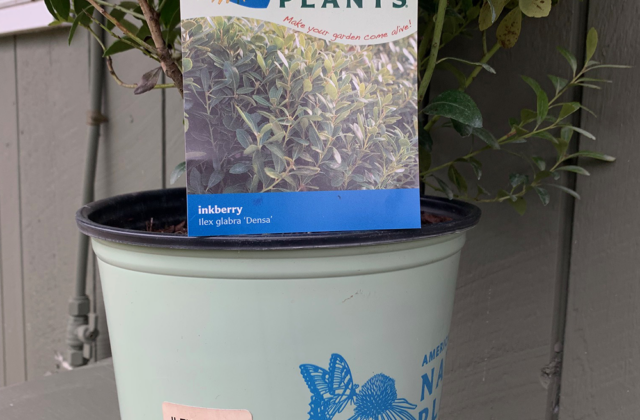
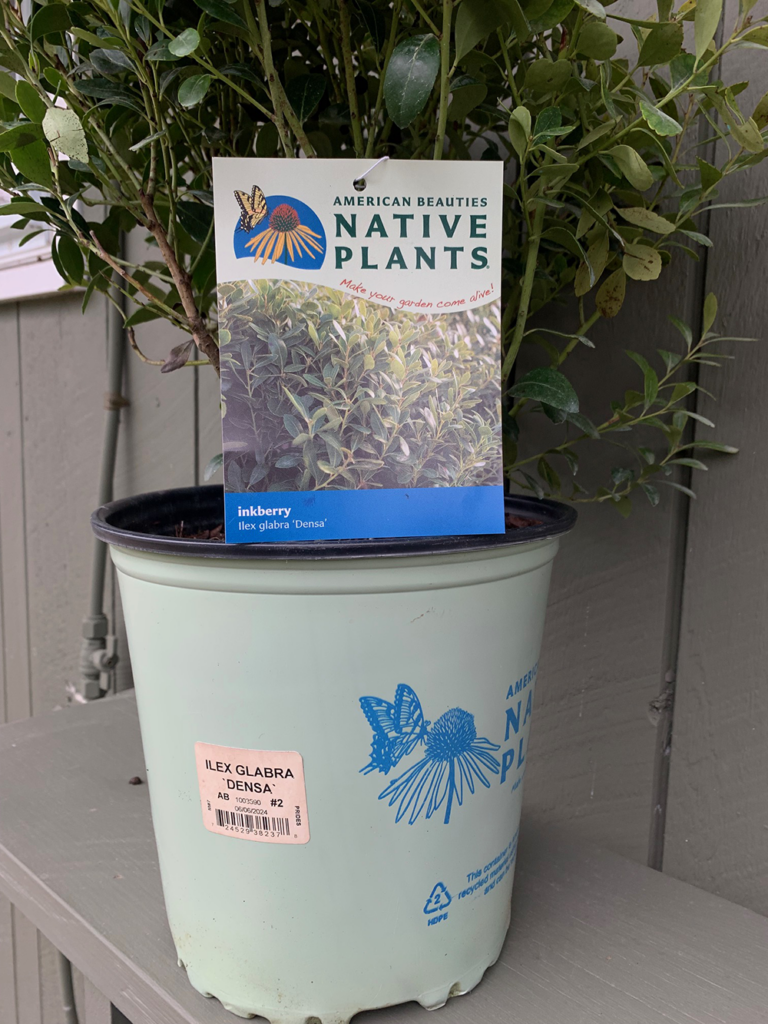
The label of a cultivar or nativar will list a common name, the scientific genus and species name, and will add a descriptor in quotes (i.e., Echinacea “Coconut lime”). The true native will only have a common name and the scientific name. Native plants are those that have evolved over thousands of years with their terrain, geology and climate patterns, along with the insect and animal life that count on them for food and shelter.
But the term native can also be misleading. What is native in the Midwest is not necessarily native in New England. Even within a species, individuals growing across a range of different climate conditions, habitats and soils develop both non-genetic (epigenetic) variations and minor genetic (ecotype) variations in response. It isn’t surprising that what is best for local pollinators and other species are the plants specifically native to that ecoregion. A great source for determining what’s native where is Biota of North America (bonap.org), where one can look up a species and see if it’s truly native down to the county level.
For gardeners looking to support pollinators and those that rely on them, the big question about nativars is whether they can do the job as well as natives to attract and supply needed nutrition and structure. Doug Tallamy, who has written a number of books about bringing biodiversity back to our yards, says, “It depends.” Only a little research has been done on this issue, but from the history of unintended consequences and what we know about genetics, some caution makes sense.
Nativars grown to enhance some particular characteristic may lose ecological function. Flowers bred to have many more petals than the native version may make it too difficult for insects to get to the center of the blossom where the good stuff is. Nativars with dark red or brownish leaves instead of the usual green are less appealing to caterpillars that should feed on them. Blooms that are significantly different in color, such as a dayglow orange form of echinacea, may not be as attractive to the butterflies that evolved with the pink-flowered native. Even a nativar that looks to be very popular with bumble bees, say, may not be supplying the same level of nutritional boost as its native counterpart.
Some nativars are developed to be more cold hardy or better able to withstand droughty conditions, which can make them good choices for certain habitats. But, these nativars will tend to be less genetically complex, unable to respond to changing conditions. Tallamy advises planting 70 percent natives to invest the biggest ecological buck in your garden.
Locally, gardeners might consider Helia Native Nursery (helianativenursery.com), which specifically raises plants native to the Berkshire ecoregion and Earth Tones Native Plants Nursery (earthtonesnatives.com), which grows native plants from local seed.
Still, nativars can have a place in the garden. One piece of wisdom is to choose ones most like their native cousin. The Mt. Cuba Center in eastern Pennsylvania, which does a huge amount of research on native plants and nativars, has found that some nativars of various goldenrods, for example, do as well to support monarch butterflies as native species. Their research results, available online, also include information on which plants are less attractive to deer, a concern for all gardeners! Many of the natives they study are found in our ecoregion as well, but should best be purchased from a local grower using local seed sources.
The bottom line: to best support all manner of native insects and birds, as well as beetles and spiders and other invertebrates, choose native species as often as possible and choose nativars wisely.
