Norfolk Then…
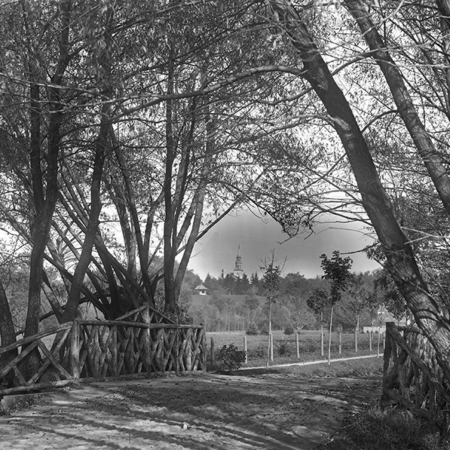
In the early 20th century, the Mountain Road bridge over Norfolk Brook had a rustic-style guard rail bordering the road and sidewalk. Characterized by the use of twigs, branches, and bark, the rustic style had been used in formal English gardens in the 1700’s and in this country was very popular in the second half […]
Norfolk Then…
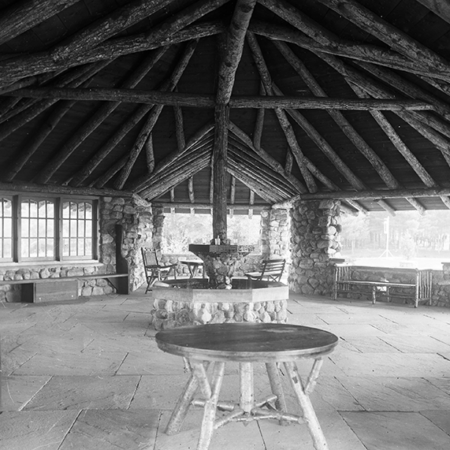
Designed by architect Alfredo Taylor and still standing at the end of Golf Drive, this pavilion was built on the nine-hole Norfolk Downs as a gathering place for golfers. The large central room with cobblestone walls and a massive stone fireplace once had glazed windows on the north side, while the terrace on the south […]
Norfolk Then…
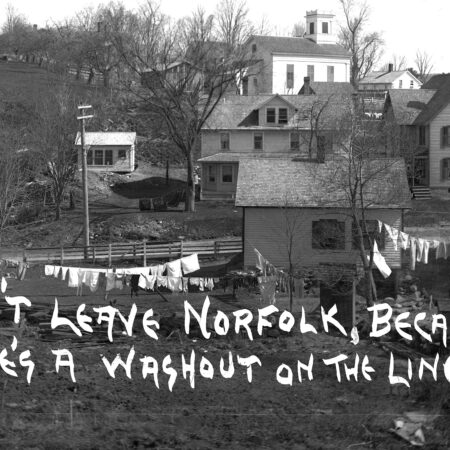
Travel by railroad was still the best way to get from one place to another in the early 20th century, so a washout on the line was serious business. But paired with a photograph of laundry hanging out to dry, this play on words made for a popular postcard message. The postcard dates from the […]
Norfolk Then
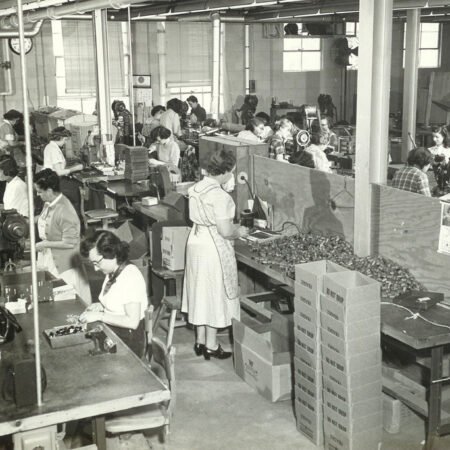
By Ann Havemeyer It was a busy afternoon at the General Electric plant in 1953. On the banks of the Blackberry River in a building that had been a 19th century stone mill, General Electric opened a branch in 1946 to make starters for fluorescent lights. Twelve Norfolk women were employed at first, but the […]
Norfolk Then…
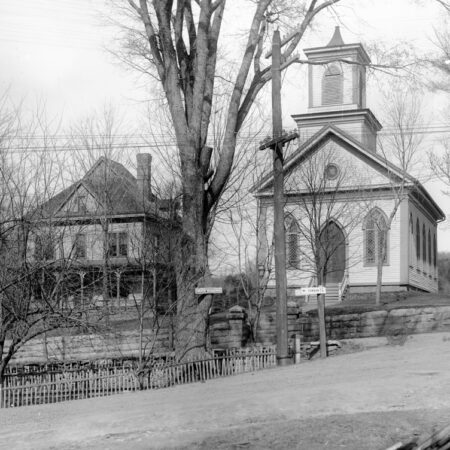
Pictured here is the Church of the Immaculate Conception and the adjacent rectory about 1910. Catholicism had first come to Norfolk with the arrival of the Ryan brothers in 1836, who established a woolen mill in town. Before there was a church, the handful of Catholics worshipped in the Ryan home and in the woolen […]
Norfolk Then…
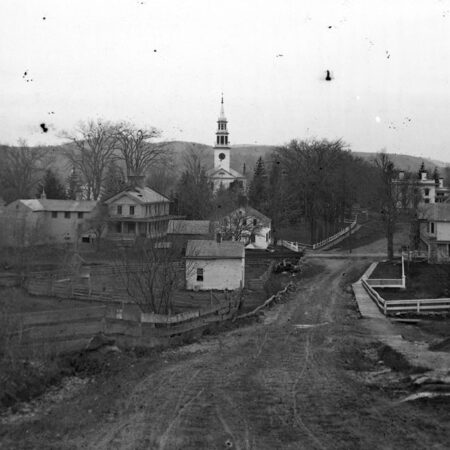
One of the earliest photographs of Norfolk was taken on Nov. 2, 1877. Folks coming from Winsted would have travelled by horse-drawn carriage along this road to the center of town. There were no sidewalks to speak of, just dirt paths and occasional boardwalks, as seen on the right. The railroad had just been built […]
Norfolk Then…
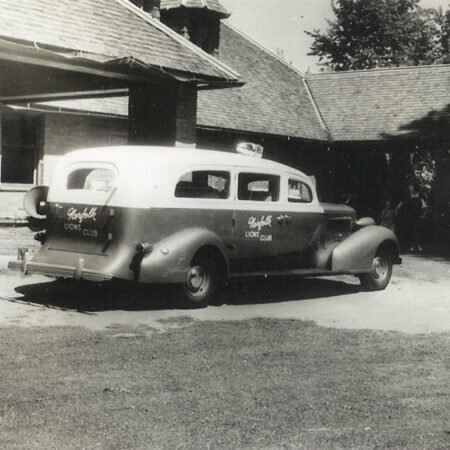
Emergency medical transport has changed dramatically over the past century, evolving from simple horse-drawn carriages to life-saving ambulances with advanced medical equipment. The original Norfolk Lions Club ambulance, a Henney Packard, is parked in front of Town Hall in this photograph, probably taken soon after the Lions Club was organized in January of 1951. Unlike […]
Norfolk Then…
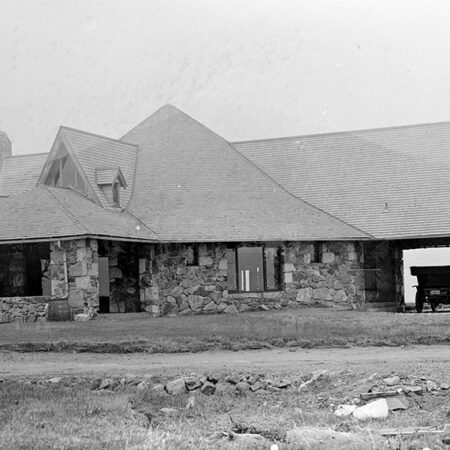
Pictured here is the bungalow that was built in 1907 by Dr. Frederic Dennis, a noted New York surgeon whose family had lived in Norfolk for generations. His summer residence, known as Tamarack Lodge, sat just off Litchfield Road and the hilltop bungalow, designed by architect Alfredo Taylor, was a place to entertain guests, with […]
Norfolk Then…
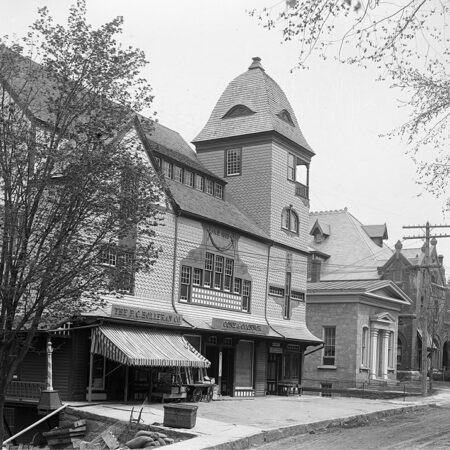
During the first half of the 20th century, multiple businesses occupied the first floor of Village Hall, now known as Infinity Hall. Built in 1883 as a multi-purpose building, Village Hall provided the town with a commercial complex as well as a much-needed cultural center upstairs, where townsfolk could gather for lectures, concerts, dances and […]
Norfolk Then…
The Eldridge Gymnasium, now Town Hall, was built in 1892. This view of the rear of the building, then with an open veranda, features the vibrant multi-colored buff and beige Mission tiles of the roof, sadly removed. The Gymnasium quickly became a hub of activity. In addition to grass tennis courts in front, there were […]
